Babyproof EU Outlets: Silicone Socket Cover Guide
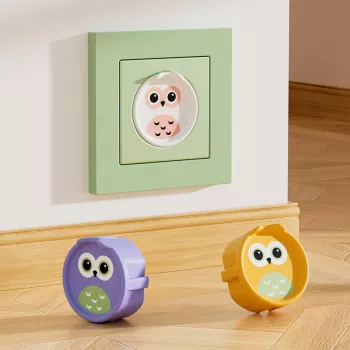
Safer European Outlets at Home: Silicone Socket Covers for Babyproofing
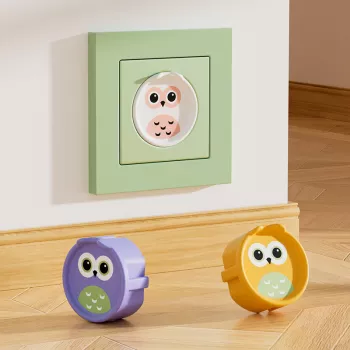
Open wall sockets can quickly become a point of curiosity for crawling babies and toddlers. Silicone socket covers designed for European-style outlets add a simple, removable barrier that helps reduce accidental contact with the outlet’s openings while keeping rooms looking tidy. They’re especially handy in play spaces, guest rooms, and travel setups where you want a quick layer of protection without changing the electrical hardware.
For broader guidance on childproofing and household hazards, resources like the American Academy of Pediatrics’ home safety information and ESFI’s electrical safety tips can help you build a more complete safety routine.
What These Socket Covers Do
- Create a physical barrier over the outlet openings to discourage probing with fingers or small objects
- Help keep dust and small debris out of unused sockets
- Blend into most rooms with a low-profile look and soft-touch silicone feel
- Work best as one layer of protection alongside supervision and broader childproofing habits
Think of socket covers as a “reduce the easy access” tool. They’re most effective on outlets that don’t need to be used daily—so the cover stays in place consistently and the outlet is less likely to be exposed during busy moments.
Fit and Compatibility for European-Style Outlets
European outlets aren’t one-size-fits-all. Countries and regions commonly use different socket types and faceplate styles, and even within one home you may see recessed sockets, flush-mounted outlets, or decorative frames. That’s why verifying the outlet shape before ordering matters.
- Designed for European outlet formats; verify the outlet shape before ordering (common EU types vary by country)
- Check whether the outlet is recessed or flush-mounted, as depth and faceplate shape can affect how securely a cover sits
- Confirm there is enough clearance if plugs, adapters, or furniture sit close to the outlet
- If traveling, test fit in one room first before installing throughout a rental or hotel
Quick Compatibility Checklist (Before Installing All Covers)
| Check | What to look for | Why it matters |
|---|---|---|
| Outlet type | European-style socket face and hole layout matches the cover | Prevents loose fit or gaps |
| Mount style | Recessed vs. flush, and faceplate edges | Affects grip and stability |
| Clearance | Nearby furniture, baseboards, plug adapters | Avoids covers being pushed or pried off |
| Household routine | Outlets frequently used vs. rarely used | Prioritizes placing covers where they help most |
Why Silicone Can Be a Practical Choice
Material matters more than it seems, especially when you’re installing and removing covers across multiple rooms. Silicone is often chosen for its flexibility and the way it seats against surfaces.
- Soft, flexible material can be easier to seat evenly against the outlet face
- Gentler on walls and surrounding surfaces compared with rigid plastics in many setups
- Typically quick to remove for adults when the outlet needs to be used (while still aiming to deter children)
- Easy wipe-clean surface for everyday dust and fingerprints
In real-life use, a cover that sits flush and stays put is the goal. If a cover is constantly popping loose when a vacuum bumps the wall or a chair brushes past, it’s a sign to reassess fit or placement.
Where Socket Covers Make the Biggest Difference
- Low-height outlets in play areas, bedrooms, and hallways where crawling or cruising happens
- Guest rooms or grandparents’ homes where full childproofing may not be permanent
- Corners and behind curtains where cords and outlets are less visible to adults but tempting to children
- Travel and short-term rentals using European outlets, especially if familiar childproofing hardware isn’t available
One practical approach is to “map” outlets from a child’s eye level. If a socket is at cruising height next to a couch, bed, or toy basket, it’s more likely to become a target than an outlet tucked behind a media console with no access.
Installation Tips and Common Mistakes to Avoid
- Start with a quick safety check: turn off the power if needed and confirm the outlet face is intact and not cracked
- Clean and dry the outlet area so the cover can sit flush without slipping
- Install one cover and do a gentle tug test; if it comes off too easily, reconsider placement or compatibility
- Avoid relying on covers for outlets that are heavily used—frequent removal can lead to inconsistent coverage
- If an outlet is warm, loose, sparking, or discolored, stop using it and have it inspected by a qualified electrician
If you’re building a home safety plan beyond electrical outlets, the U.S. Consumer Product Safety Commission (CPSC) child safety resources provide helpful checklists and reminders for common household risks.
A Simple Room-by-Room Babyproofing Routine
Product Snapshot
- 6-Pack Silicone Baby Safety Socket Covers – European Outlet Childproof Guards ($9.97) — A multi-pack of low-profile silicone covers designed to create a simple barrier on compatible European sockets.
- Montessori Wooden Mirror Toy for Toddlers ($4.01) — A small, room-friendly activity option that can help redirect curiosity toward safe, supervised play (especially useful when you’re organizing a baby-safe corner).
FAQ
Do socket covers fully prevent electric shock for children?
No. Socket covers are a deterrent and a barrier for unused outlets, but they don’t replace safe wiring, adult supervision, or professional repair of damaged outlets.
Will these fit every European outlet?
Not necessarily. European outlets vary by country and type, so it’s important to check the socket’s shape/spacing and whether it’s recessed or flush, then test one cover before installing the rest.
Are silicone socket covers easy for adults to remove?
Many are designed to be removable for adults while discouraging small children, but ease of removal depends on the outlet design and how securely the cover fits. A quick test fit and gentle tug test can confirm whether the placement is suitable.










Leave a comment